
Music and Sleep – Does Music Help You Sleep?
Music uniquely syncs with your brain, slowing your heart rate and reducing cortisol - the stress hormone.
 Andrew Jolie February 17, 2025 8 min read

Music and Sleep – Does Music Help You Sleep?
The connection between music and sleep is real—and backed by science.
Listening to calming music before bed can help lower stress, relax your body, and create the perfect environment for sleep.
Music uniquely syncs with your brain, slowing your heart rate and reducing cortisol (the stress hormone).
Certain types of music, especially classical or soothing instrumental pieces, are often recommended to help you unwind.
But not all music works the same for everyone.
So now you’re wondering, “Does classical music improve sleep quality?” “Is it safe to sleep with music on?” and “Does music really help with insomnia?”
Well, stick around as we tackle all that and much more!
Key Findings on Music and Sleep:
- Improved Sleep Quality: Slow-tempo music, particularly classical and instrumental, has been shown to improve sleep quality by helping listeners fall asleep faster and spend more time in deep sleep stages, which are crucial for physical and mental recovery.
- Treatment for Insomnia: Music therapy has proven beneficial for those suffering from insomnia, reducing the time it takes to fall asleep and increasing sleep duration, thereby enhancing overall sleep quality.
- The Bía Advantage: The Bía Smart Sleep Mask features personalized Neural Music based on your live brain activity to help ease your racing mind and gently lull you into a deep slumber.
Can Music Help You Sleep?
Listening to calming, slow-tempo music before bed can relax your body, reduce stress, and ease your mind into rest, making falling and staying asleep easier.
It’s a simple yet effective way to enhance your bedtime routine.
Studies show that music can lower heart rate, reduce blood pressure, and decrease cortisol levels, the stress hormone that can keep you awake at night.
Choosing music with a rhythm of around 60-80 beats per minute—a tempo similar to your resting heart rate—can have the most soothing effects. Think classical music, instrumental tunes, or even gentle nature sounds.
The right music can create a comforting sleep environment, whether it’s a serene piano piece or a playlist of soft acoustic melodies.
Is Listening to Music While Sleeping Good or Bad?
Well, it depends on the type of music and your personal preferences.
Soft, soothing music can promote relaxation and improve sleep quality, while loud or high-energy tunes might disrupt your rest or prevent you from reaching deep sleep stages.
Music that promotes sleep, like classical or instrumental tracks, can lower stress and heart rate, creating a calming environment.
However, headphones or earbuds worn while sleeping might be uncomfortable or pose risks, such as pressure on your ears or tangled cords. Consider using a speaker or sleep-specific device that plays gentle music.
If music helps you drift off peacefully without interruptions, it can be an excellent addition to your bedtime routine. Ensure it’s at a low volume and aligns with your sleep environment for best results.
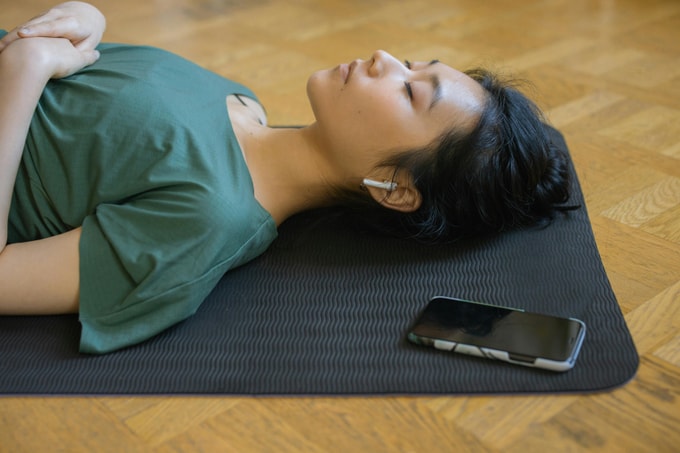
Source: Pexels
What Kind of Music Helps with Sleep?
The best music for sleep is soft, slow, and soothing, typically with a tempo of 60-80 beats per minute. This range mirrors your heart rate during relaxation, helping your body and mind unwind.
Classical music, instrumental tracks, and nature sounds are among the top choices for promoting better sleep.
Here are some types of music and sounds that can help you fall asleep:
- Classical Music: Gentle compositions, like piano or string quartets by composers such as Mozart or Chopin, are known for their calming effects.
- Instrumental Music: Tracks without lyrics, such as acoustic guitar or harp melodies, reduce mental stimulation and help you relax.
- Nature Sounds: Soothing soundscapes like rain, ocean waves, or rustling leaves can create a tranquil environment conducive to sleep.
- Ambient Music: Minimalist and repetitive tunes provide a seamless backdrop for relaxation.
- White, Pink, or Brown Noise: While not music per se, these consistent soundscapes can mask environmental noises and create a calm atmosphere.
- Meditative or Binaural Beats: Low-frequency tones can encourage relaxation and guide your brain into sleep-friendly states.
Experiment with these options to find what resonates with your personal sleep preferences.
Pairing calming music with a consistent bedtime routine can make drifting off easier and more restful.
8 Benefits of Sleeping with Music
Sleeping with music can enhance relaxation, improve sleep quality, and create a soothing bedtime routine.
Slow, calming tunes help reduce stress and promote a peaceful mind, making it easier to drift off into a restful sleep.
Let’s explore how music can positively impact your sleep.
1. Reduces Stress and Anxiety
Listening to soothing music before bed lowers cortisol levels, the hormone linked to stress. This calming effect relaxes your body, slows your breathing, and helps quiet a racing mind, setting the stage for restful sleep.
2. Improves Sleep Quality
Music helps you transition into deeper sleep stages by encouraging relaxation and reducing interruptions. Listening to slow-tempo music can enhance REM and non-REM sleep, which is crucial for physical and mental recovery.
3. Helps Create a Sleep Routine
Incorporating music into your bedtime ritual signals to your brain that it’s time to wind down. This consistency can help train your body to associate specific tunes with sleep, improving your ability to fall asleep faster.
4. Masks Disruptive Sounds
Soft music can mask background noises, such as traffic or a snoring partner, creating a consistent sound environment that keeps your brain from reacting to sudden disturbances.
5. Enhances Mood
Music stimulates the release of serotonin, a feel-good hormone while decreasing stress hormones. A positive mood before bed helps you relax and enjoy a more refreshing sleep experience.
6. Promotes Relaxation for the Body and Mind
Slow, rhythmic melodies reduce your heart rate and blood pressure, helping your body physically relax. This physiological response encourages a state of calm that’s perfect for sleep.
7. Aids People with Insomnia
For those struggling with insomnia, music therapy can serve as a non-invasive and effective tool to improve sleep. It reduces sleep latency (the time it takes to fall asleep) and can enhance sleep duration.
8. Supports Emotional Healing
For individuals dealing with grief, anxiety, or other emotional challenges, music offers a therapeutic escape, easing emotional tension and encouraging restorative rest.
Pairing music with a sleep-enhancing tool like the Bía Smart Sleep Mask, which tracks and optimizes your sleep cycles, can take your nighttime routine to the next level.
The Connection Between Music and Insomnia
Music can be a powerful tool for managing insomnia, as it helps to calm the mind, reduce stress, and create a more conducive environment for sleep.
Slow-tempo, relaxing music is especially effective in reducing sleep latency and improving sleep quality for those struggling with insomnia.
How Music Helps Insomnia
Music impacts the brain by stimulating the release of feel-good chemicals like dopamine while lowering cortisol, the stress hormone.
This dual action promotes relaxation, easing the symptoms of insomnia. For instance, gentle melodies can help distract from anxious thoughts, a common barrier to sleep.
Scientific Backing
Listening to music with a tempo of 60–80 beats per minute can synchronize with your heart rate, encouraging the body to relax and prepare for sleep.
This is particularly beneficial for individuals with chronic insomnia, as it provides a natural and non-invasive sleep aid.
Tailoring Music to Your Needs
The key to using music for insomnia is finding the correct type of sound. Classical music, instrumental tunes, or even ambient noise can work wonders.
How to Fall Asleep with Music?
Falling asleep with music is simple: choose calming tunes with a slow tempo (60–80 beats per minute), set the volume to a comfortable low level, and use a playlist or app with a timer to avoid disruptions during the night.
Relax and let the soothing sounds guide you to sleep.
Step-by-Step Guide to Falling Asleep with Music
- Choose the Right Music: Opt for instrumental, classical, or ambient music. Avoid tracks with heavy beats or lyrics, as they can keep your mind active.
- Set the Perfect Volume: Keep the music soft to mask background noise without distraction.
- Use a Timer: Most music apps have a sleep timer feature to stop playback automatically, ensuring uninterrupted sleep.
- Optimize Your Environment: Pair music with a dark, quiet room and comfortable bedding to enhance the calming effect.
- Try the Bía Smart Sleep Mask: Use tools like Bía to track your sleep stages and improve relaxation through neurofeedback, ensuring your music aligns with your natural rhythms.
Music can transform your bedtime routine into a relaxing experience. You can create a path to deep, restorative sleep by setting the right mood.

Smart Tip: Want to achieve 7-9 hours of quality sleep tonight? Then, get the Bía Smart Sleep Mask.
Why?
Bía features personalized Neural Music based on your live brain activity to help ease your racing mind and gently lull you into a deep slumber.
But here’s the kicker: Bía lets you fall asleep listening to your favorite music, podcast or audiobook. As you drift off, your audio will pause, seamlessly fading away, enveloping you in a peaceful night's sleep.
In fact, Bía is the science-backed path to better nights and brighter days that require minimal effort and offer premium results. Want to give it a try? Like right now? Well, go for it right here.
And…it’s a wrap, guys!


