
Sleep and Your Heart Health - Can Lack of Sleep Cause Heart Problems?
Lack of sleep doesn't just leave you tired; it can escalate into increased risks for cardiovascular disease, including hypertension, stroke, and heart attacks.
 Andrew Jolie March 03, 2025 6 min read

Skimping on sleep can lead to serious heart problems.
The impact on your heart can be profound and detrimental, whether due to sleep apnea, insomnia, or insufficient rest.
Lack of sleep doesn't just leave you tired; it can escalate into increased risks for cardiovascular disease, including hypertension, stroke, and heart attacks.
Let's explore the science of sleep, examine expert opinions, and offer practical tips for maintaining a healthy heart.
Key Findings on Sleep and Your Heart Health:
- Profound Impact on Heart Health: Lack of sleep is directly linked to increased risks of cardiovascular diseases such as hypertension, heart attacks, and strokes. Ensuring sufficient sleep is crucial for maintaining a healthy heart.
- Preventive Measures: Protective measures for heart health during sleep include maintaining a regular sleep schedule, managing stress, avoiding stimulants close to bedtime, and ensuring a restful sleeping environment.
- The Bía Advantage: The Bía Smart Sleep Mask enhances sleep quality by utilizing Neural Music and tracking sleep stages with precision, providing a science-backed method to improve sleep and heart health. Bía promotes deeper, more restorative sleep, essential for maintaining heart health.
How Does Sleep Affect the Health of Your Heart?
Sleep is critical in maintaining heart health by regulating key hormones and stress responses.
Adequate sleep helps maintain blood pressure, reduce inflammation, and balance heart rate, which is vital for preventing cardiovascular diseases.
Sleep influences heart health by ensuring the balance and normal functioning of biological processes that affect heart function.
During sleep, the body undergoes repair and recovery processes that help stabilize blood pressure and heart rate. This recovery period also reduces inflammation, a key risk factor for heart disease.
Good sleep patterns help regulate the stress hormone cortisol, minimizing strain on the heart. But, lack of sleep can lead to an increase in heart rate, higher blood pressure, and elevated levels of stress hormones, which strain the cardiovascular system and can lead to chronic heart conditions over time.
Can Lack of Sleep Cause Heart Problems?
Yes, it can. Chronic sleep deprivation is associated with increased heart rate, elevated blood pressure, and heightened stress hormone levels, which can contribute to cardiovascular issues, including heart disease and heart attacks.
Chronic sleep deprivation can lead to a range of cardiovascular problems. The body's inability to undergo necessary repairs during sleep can increase inflammation and stress hormones, both risk factors for heart disease.
Insufficient sleep often leads to unhealthy lifestyle choices such as poor diet and lack of exercise, compounding the risk.
Over time, the cumulative effect of these factors can result in significant heart health issues, making adequate sleep a critical component of cardiovascular health maintenance.

Source: Pexels
The Connection Between Sleep and Heart Diseases
Sleep and heart diseases are closely connected. How? Poor sleep can lead to increases in blood pressure, inflammation, and stress hormone levels, all of which are risk factors for heart disease and heart attacks.
The relationship between inadequate sleep and heart disease is backed by extensive research.
Lack of sleep disrupts the body's natural processes, including those that regulate blood pressure and heart health. This disruption can lead to chronic cardiovascular conditions such as hypertension, arrhythmias, and even heart failure.
Regular, quality sleep helps maintain heart health by allowing the body to repair heart and blood vessels, manage stress hormones, and regulate blood pressure.
Therefore, quality sleep is crucial for preventing heart disease and maintaining overall cardiovascular health.
Sleep Apnea and Your Heart: Can Sleep Apnea Cause Heart Problems?
Absolutely! This sleep disorder, characterized by repeated interruptions in breathing during sleep, significantly stresses the cardiovascular system, potentially leading to high blood pressure, arrhythmias, heart failure, and even heart attacks.
Sleep apnea disrupts normal sleep patterns and severely reduces oxygen levels in the blood, which strains the heart as it works harder to deliver oxygen to the body. This strain can lead to hypertension and increase the risk of more severe heart conditions.
Chronic sleep apnea also contributes to other health issues that complicate cardiovascular health, like diabetes and obesity.
Managing sleep apnea through medical interventions like CPAP machines or lifestyle changes can help mitigate these risks, supporting heart health and overall well-being.
Sleep and Heart Rate: Does Heart Rate Increase from Sleep Deprivation?
Lack of sleep disrupts the body's natural rhythms and places stress on the heart, often leading to an elevated heart rate.
Sleep deprivation causes the body to release higher levels of stress hormones like cortisol, which can raise your heart rate. This response is part of the body's preparation for prolonged wakefulness, taxing the cardiovascular system more than when well-rested.
Prolonged periods of elevated heart rate due to chronic sleep deprivation can strain the heart, increasing the risk of cardiovascular diseases.
To maintain a healthy heart rate and reduce cardiovascular risks, it's important to prioritize regular, restful sleep.
Does Sleeping on Your Left Side Affect Your Heart?
Sleeping on your left side does not negatively affect your heart; in fact, it is beneficial, especially for those with heartburn or pregnant women.
Why? This position helps improve circulation and may ease heart workload during sleep.
While the left-side sleeping position is often recommended for better digestion and circulation, it's important to note that comfort and individual health conditions should guide your choice of sleeping positions.
For detailed insights on how different sleeping positions can impact health, check out this article on Best sleeping positions.
Prioritizing a comfortable sleeping posture that supports overall health without causing discomfort is key to a good night's sleep and well-being.
How Can I Protect My Heart While Sleeping?
Protecting your heart while sleeping starts with maintaining a regular sleep schedule and ensuring you get 7-9 hours of quality sleep each night.
Managing stress, avoiding heavy meals before bedtime, and creating a calming bedtime routine are also crucial for heart health.
To further safeguard your heart during sleep, consider these tips:
- Stay Active: Regular physical activity during the day can improve your heart health and sleep quality.
- Monitor Health Conditions: Manage conditions like high blood pressure and diabetes that can affect heart health.
- Avoid Stimulants: Limit caffeine and nicotine close to bedtime, as they can disrupt sleep and increase heart rate.
- Create a Restful Environment: Ensure your sleeping environment is conducive to rest with minimal noise and comfortable temperatures.
- Consider Sleep Position: Some studies suggest that sleeping on your left side can help reduce the strain on the heart.
Adopting these practices can lead to better sleep and a healthier heart, contributing to overall well-being.
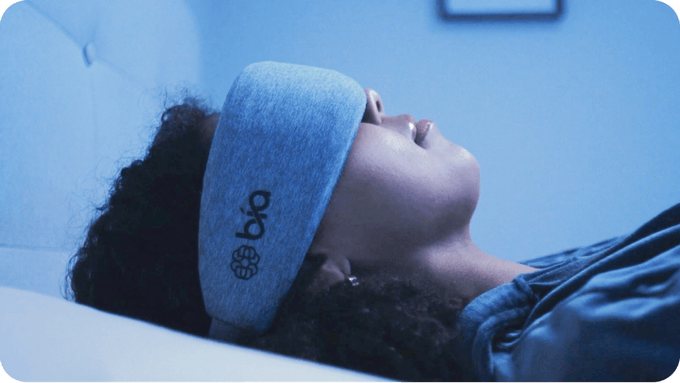
Smart Tip: Want to achieve 7-9 hours of uninterrupted sleep tonight? Then, get the Bía Smart Sleep Mask.
Why?
Bía helps you fall asleep faster, maximize deep sleep, and enjoy the best waking-up experience of your life with a transition from 100% blackout to personalized sunrise inside your mask.
But here’s the kicker: Bia guides you through all sleep stages based on your brain’s reactions, helping you take back control OF your sleep IN your sleep.
Choose Bía for a scientifically proven way to enhance your sleep without relying on sleep aids.
And…it’s a wrap, guys!


