
Bad Sleep Habits? – 10 Tips to Improve Sleep Hygiene
Inconsistent sleep schedules and activities like scrolling through your phone before bed can contribute to poor sleep hygiene, resulting in restless nights and unproductive days.
 Andrew Jolie March 28, 2025 5 min read
Struggling with bad sleep habits? It's time to clean up your sleep hygiene and reclaim those restful nights!
Sleep hygiene refers to the practices and habits that promote regular, good-quality sleep.
Prioritizing good sleep hygiene is a good step forward, as it impacts both physical health and mental clarity.
Inconsistent sleep schedules and activities like scrolling through your phone before bed can contribute to poor sleep hygiene, resulting in restless nights and unproductive days.
Our simple yet effective recommendations can turn around unhealthy sleep habits and encourage restful, rejuvenating sleep every single night!
Key Findings on Bad Sleep Habits:
- Increased Risk of Chronic Health Conditions: Bad sleep hygiene is strongly linked to an increased risk of developing chronic health issues like obesity, diabetes, cardiovascular disease, and weakened immune function.
- Decreased Performance and Safety: Bad sleep hygiene often leads to reduced productivity and increased errors at work. It also raises the risk of accidents and injuries due to drowsiness and decreased alertness.
- Tech for Better Sleep: Sleep technology like the Bía Smart Sleep Mask can enhance sleep quality by regulating sleep patterns and promoting deep sleep, especially for shift workers facing sleep challenges.
What is Sleep Hygiene?
Sleep hygiene refers to the habits and practices conducive to sleeping well regularly. It's all about creating an environment and a routine that promotes consistent, uninterrupted sleep.
Good sleep hygiene involves several elements that can dramatically improve the quality and quantity of your sleep:
- Consistent Sleep Schedule: Going to bed and waking up at the same time each day helps regulate your body's internal clock.
- Optimal Sleep Environment: A quiet, dark, and cool bedroom can significantly enhance sleep quality. Consider using blackout curtains, eye masks, and white noise machines.
- Pre-Sleep Routine: A relaxing routine before bed, such as reading or a warm bath, can signal your body to wind down.
- Mindful Consumption: Avoiding large meals, caffeine, and alcohol before sleep can prevent disruptions to your sleep cycle.
- Limiting Screen Time: Reducing exposure to screens and blue light before bed can help decrease sleep latency.
Incorporating these practices into your daily routine can improve sleep, benefiting your mental and physical health.
Why is Sleep Hygiene Important?
Sleep hygiene is crucial because it directly impacts your mental and physical health. Good sleep hygiene ensures you fall asleep faster, enjoy deeper sleep, and wake up refreshed and alert.
By practicing proper sleep hygiene, you can:
- Enhance Brain Function: Proper sleep supports cognitive processes, improving attention, learning, and memory.
- Boost Mood: Regular, quality sleep helps regulate mood, reducing the risk of depression and anxiety.
- Promote Physical Health: Sleep is critical in repairing the body and supporting metabolic and immune functions.
- Increase Energy and Productivity: Consistent, restorative sleep increases daytime energy levels and productivity.
Practicing good sleep habits can greatly enhance your quality of life, demonstrating that sleep hygiene is helpful and essential.

Source: Pexels
Bad Sleep Habits: Signs of Poor Sleep Hygiene
Poor sleep hygiene can significantly disrupt your daily life and overall health. Recognizing the signs of bad sleep habits is crucial for making positive changes to improve your rest.
Signs of Poor Sleep Hygiene Include:
- Difficulty Falling Asleep: Spending more than 30 minutes trying to fall asleep regularly suggests poor sleep hygiene.
- Frequent Sleep Disturbances: Waking up often during the night or experiencing interrupted sleep patterns.
- Daytime Sleepiness: Feeling excessively sleepy or drowsy during the day, which can affect productivity and alertness.
- Reliance on Sleep Aids: Depending heavily on sleeping pills or alcohol to fall asleep.
- Inconsistent Sleep Schedule: Going to bed and waking up at different times each day, including on weekends.
- Prolonged Screen Time Before Bed: Using electronic devices right before bed can interfere with your body’s natural sleep-wake cycle due to blue light exposure.
- Using Your Bed for Non-Sleep Activities: Engaging in activities like working or watching TV can weaken the mental association between your bed and sleep.
Simple adjustments like reducing screen time before bed and sticking to a sleep schedule can enhance the quality of your sleep, turning those unhealthy sleep habits into a restorative nightly routine.
10 Tips and Techniques to Improve Sleep Hygiene
Improving sleep hygiene is essential for both your mental and physical health.
Here are 10 practical tips to enhance your sleep quality, ensuring you wake up refreshed and rejuvenated every morning:
- Stick to a Schedule: Go to bed and wake up at the same time every day, even on weekends.
- Create a Bedtime Ritual: Engage in relaxing activities before bed, like reading or a warm bath, to signal to your body it's time to wind down.
- Optimize Your Sleep Environment: Keep your bedroom dark, cool, and quiet. Invest in good quality curtains, comfortable bedding, and perhaps some soothing sounds.
- Be Mindful of Eating and Drinking: Avoid large meals, caffeine, and alcohol before bedtime, as they can disrupt sleep.
- Limit Naps: While napping can be a way to catch up on lost sleep, if you find it hard to fall asleep at bedtime, then avoid naps.
- Exercise Regularly: Physical activity can help you fall asleep faster and enjoy deeper sleep—but try not to exercise too close to bedtime.
- Manage Worries: Try to resolve your worries or concerns before bedtime. Jotting down what's on your mind can be effective.
- Reduce Screen Time: The blue light emitted by screens can interfere with your ability to fall asleep. Turn off electronic devices at least an hour before bed.
- Use the Right Mattress and Pillow: Make sure your mattress and pillow suit your sleeping preferences and support a good night’s sleep.
- Utilize a Sleep Mask: Consider using the Bía Smart Sleep Mask for the ultimate sleep environment. Bía blocks out unwanted light, helping to induce melatonin production, and it uses neurofeedback to optimize your sleep cycles, providing deeper, more restorative sleep.
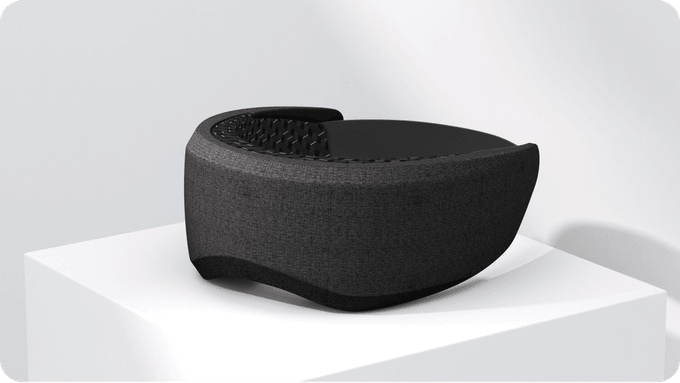
Smart Tip: Want to improve your sleep hygiene, starting tonight? Then, get the Bía Smart Sleep Mask.
Why?
Bía helps you fall asleep faster, maximize deep sleep, and enjoy the best waking-up experience of your life with a transition from 100% blackout to personalized sunrise inside your mask.
But here’s the kicker: Bia guides you through all sleep stages based on your brain’s reactions, helping you take back control OF your sleep IN your sleep.
Choose Bía for a scientifically proven way to enhance your sleep without relying on sleep aids.
And…it’s a wrap, guys!
Good sleep hygiene involves practices that promote quality sleep. This includes maintaining a consistent sleep schedule, creating a dark, quiet sleep environment, and avoiding caffeine and electronics before bedtime. Establishing a relaxing bedtime routine and limiting daytime naps can also enhance sleep quality. These habits help regulate your body's internal clock and improve overall sleep efficiency.
Poor sleep hygiene includes habits that disrupt sleep quality. This can involve irregular sleep schedules, consuming caffeine or alcohol close to bedtime, and using electronic devices in bed. Engaging in stimulating activities before sleep and having a cluttered or noisy sleep environment can also negatively impact sleep hygiene. These practices can lead to difficulty falling asleep and staying asleep.
The healthiest sleep pattern typically involves going to bed and waking up at consistent times, aiming for 7 to 9 hours of sleep each night. This consistency helps regulate your body's internal clock and supports optimal physical and mental health. A dark, quiet sleep environment and avoiding screens before bedtime are key components of a healthy sleep routine.
The best habits for healthy sleep hygiene include maintaining a consistent sleep schedule, creating a dark, quiet sleep environment, and avoiding caffeine and electronics before bedtime. Establishing a relaxing bedtime routine, such as reading or meditation, can also help signal your body it's time to sleep. Limiting daytime naps and regular physical activity can also enhance sleep quality.
The 10-3-2-1-0 rule for sleep is a guideline to improve sleep quality. It stands for:
- 10 hours before bedtime: Stop consuming caffeine.
- 3 hours before bedtime: Finish eating.
- 2 hours before bedtime: Stop watching screens.
- 1 hour before bedtime: Begin winding down.
- 0: Avoid screens at bedtime. This routine helps create a conducive sleep environment and supports better rest.
The healthiest sleep cycle typically involves completing multiple cycles of deep and light sleep, with each cycle lasting about 90 minutes. Aiming for 7 to 9 hours of sleep allows for 4 to 6 complete cycles, which supports optimal physical and mental restoration. This pattern helps regulate hormones, repair tissues, and enhance cognitive function.
Sleep education provides numerous benefits, including improved sleep quality, enhanced cognitive function, and better overall health. By understanding sleep patterns and adopting healthy sleep habits, individuals can reduce sleep disorders, increase productivity, and boost their immune systems. Sleep education also helps manage stress and anxiety, improving mental well-being.
Establish a consistent sleep schedule and create a relaxing bedtime routine to improve your sleep wellbeing. Ensure your sleep environment is dark, quiet, and cool, and avoid screens before bedtime. Regular physical activity and a balanced diet can also enhance sleep quality. Limit caffeine and alcohol intake to promote better rest, especially in the evening.


